Replacing Foreign-Made Police Drones: Security Audits, Funding, and Procurement Pitfalls
The FCC Covered List now blocks new foreign-made drone authorizations. Here is what it means for existing fleets, replacement budgets, and procurement contracts.
By IPA-IAC · 5 min · 17 November 2026
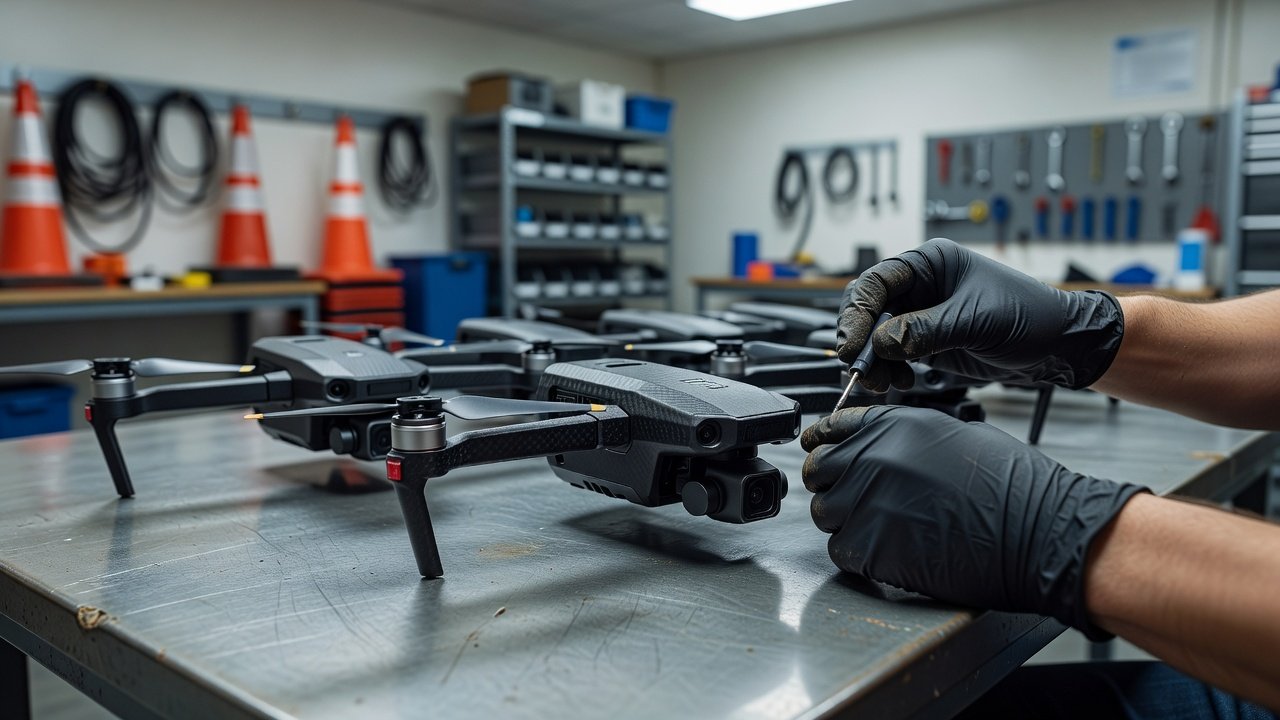
Police agencies flying Chinese-made drones are not facing a grounding order, and the agencies treating it as one are making expensive decisions on a false premise. What changed in December 2025 is narrower and more durable: the federal government stopped authorizing new foreign-made aircraft and components, and then started steering grant money and contracts toward vetted alternatives. The replacement problem is a procurement and budgeting problem, and it runs on a longer clock than the headlines imply.
What the federal action actually did
Section 1709 of the FY2025 National Defense Authorization Act required a national security agency determination about DJI and Autel by December 23, 2025, and directed that the companies’ equipment be added to the FCC’s Covered List if none was made. On December 22, 2025, the FCC’s Public Safety and Homeland Security Bureau issued Public Notice DA 25-1086, which went further than the two named companies: it added foreign-produced uncrewed aircraft systems and their critical components, such as flight controllers, data transmission devices, navigation systems, and batteries, to the Covered List.
The consequences are specific. Covered equipment cannot receive new FCC equipment authorizations. The FCC’s own fact sheet says the change does not prohibit import, sale, or use of device models it previously authorized. An agency’s existing DJI fleet remains legal to fly. Trade reporting also cites FCC Public Notice DA 26-454, which protects software and security updates for already-authorized aircraft until at least January 1, 2029; confirm that term directly before relying on it.
The picture has kept moving. In January 2026, a follow-on notice (DA 26-22) created temporary exemptions for drones on the Defense Department’s Blue UAS Cleared List and for aircraft that qualify as Buy American domestic end products. Trade reporting says a July 2026 FCC action extended those exemptions to January 1, 2028 and lifted the expiration for products holding conditional approval, while also opening a proceeding on a broader import restriction for foreign-made drones the FCC describes as military-grade. That proposal is not a final rule. Because the list has been revised repeatedly, check the live Covered List on fcc.gov before any purchase.
Funding: where the money is and is not
Federal money is following the same line. Reporting indicates that a growing number of federal and state grant programs now require or prefer Blue UAS-listed aircraft, and roughly a dozen states, beginning with Florida, restrict their own agencies from buying covered drones. The specific eligibility language lives in each notice of funding opportunity, so read the one you are applying under rather than a vendor’s summary.
Two funding developments are worth tracking. A July 2026 DOJ COPS Office announcement, as reported by the law-enforcement drone community, adds roughly $25 million in new funding with drones named as a priority topic; verify it against the DOJ release. On Capitol Hill, the DRONE Act of 2025 would make drone systems an eligible expense under Byrne JAG and COPS, and the Drones for First Responders Act (H.R. 3786) would tariff Chinese drones and fund domestic purchases through grants. Neither is law, so budgets should not assume them.
Cost is the other constraint. One industry source says serious alternatives cost three to ten times what the DJI units they replace did; treat that as an upper-end estimate, not a planning figure, and get quotes. Tariffs reported on drones and components may add to that, but the tariff details come from a single secondary source and should be verified.
A security audit that precedes the purchase
Replacing hardware without understanding what the old hardware does with data repeats the original mistake. Before issuing a solicitation, inventory the current fleet and document the following.
Data paths
Where do video, telemetry, and location logs go? Identify whether flight data syncs to a vendor cloud, whether local-only operation is configurable, and whether firmware updates are pulled automatically. Document the answers per aircraft model, not per vendor.
Dependencies you did not buy
Docks, controllers, batteries, mapping software, and evidence-management integrations often come from different suppliers than the airframe. The Covered List’s critical-component language means a replacement airframe paired with a legacy dock or app may leave the foreign dependency in place.
Network placement
Confirm that ground stations and docks sit on segmented networks and that any device reaching criminal justice information meets your state’s access rules. Drone video is evidence, and evidence handling has its own chain-of-custody requirements.
Procurement pitfalls that repeat
Treating “Blue UAS-listed” as the whole security review. Listing speaks to the airframe and its vetting, not to your retention settings, access controls, or integrations. Keep your own audit.
Buying into a single-vendor ecosystem. A platform that bundles aircraft, dock, software, and cloud storage simplifies operations and complicates exit. Ask for export formats, data-deletion terms, and pricing for each component separately.
Ignoring the exemption calendar. The Blue UAS and Buy American exemptions allow new models to keep seeking authorization for a limited period. Contracts should state which aircraft model and firmware are being supplied and what happens if the vendor’s status changes.
Skipping the transition plan. Existing aircraft can keep flying, so a phased replacement tied to end-of-life dates and grant cycles is cheaper than an emergency swap. Prioritize the aircraft in daily operational use first, and put a documented date on each retirement.
Underbudgeting training and integration. Different aircraft mean different flight software, different waiver documentation, and retraining. If your program holds an FAA beyond-visual-line-of-sight waiver, check whether replacing the aircraft changes the operational description the FAA approved.
The practical takeaway
Build the replacement plan as a multi-year capital schedule, not a one-time purchase. Start with the data-path inventory, rank aircraft by mission criticality and age, and read the funding notice for each grant before choosing a platform. Vendor claims about Blue UAS status, pricing, and component origin should be verified against the Defense Department’s list and the FCC’s current Covered List, and written into the contract as representations the agency can enforce.